

Why Does My Autistic Child Hit Other Kids? What I Learned Growing Up With Autism
Oct 22, 2026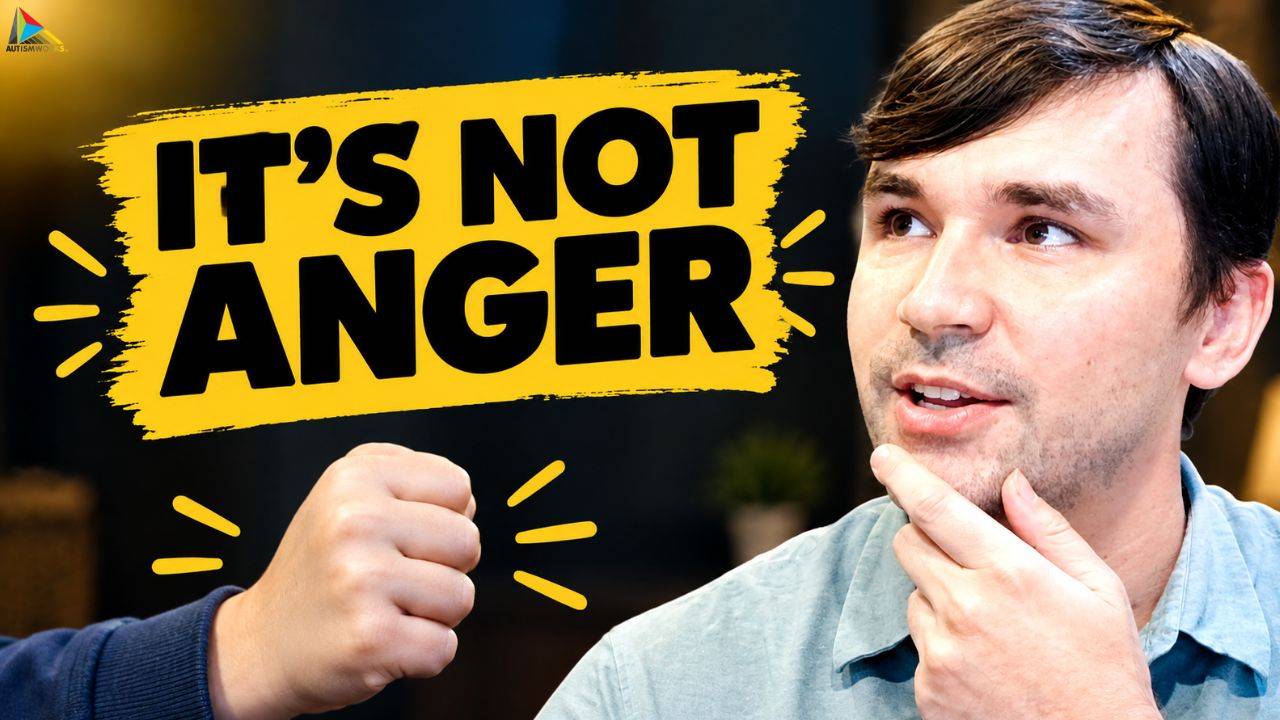
Few things scare a parent like getting the call: "Your child hit another kid today."
My name is Tyler McNamer. I have autism, and I want to talk about a serious topic that doesn't get talked about enough. Why does my kid hit other kids? From my own life, my answer is this: very often it's a stim, and very often it's panic.
Prefer to watch? The full 11-minute video is above.
Hitting can be a stim
Stims are very common for people with autism. We stim because we're nervous, or because it's a way to calm down and cope. When you're sitting still, it might be twirling your thumbs or bouncing your knee up and down.
Punching can be one of those stims. And I can surely tell you that it is a very inappropriate stim.
We talk a lot about appropriate and inappropriate behaviors. I think it helps to also talk about appropriate and inappropriate stims. Once we know which stims are OK and which are not, it gets much easier to find common ground.
Tyler's tip: Help your child find a safer stim that still helps them calm down and cope.
Very often it's panic, not anger
When someone with autism panics, things can get more physical. Picture someone running up to a child with autism and shouting "Hi-yah!" It's scary. In my own words: I don't know why I did it. I sort of panicked. I didn't know what to do.
That's what it can feel like from the inside. The instincts kick in before the thinking does.
The one time I head-butted another kid
It only happened once. I remember the boy, and I accidentally knocked him out with my head.
Here's why. I had seen two characters butt heads in a cartoon or a show, as a way of saying hello. I thought it was a greeting. I know it sounds ridiculous, and some people will say I should have known better. Back then, I did not.
When people told me "this is not OK," I was disciplined for it, and I learned never to do it again. In elementary school I also learned the difference between fiction and nonfiction. Things in cartoons are make-believe. Those are things you do not copy. Real-life things, like shaking hands, are good to copy.
Tyler's tip: Talk with your child about what is pretend and what is real. Cartoons are make-believe. Real life, like shaking hands, is what we copy.
Other reasons kids hit
From what I've seen, there are a few:
- It's a stim. A way to calm down and cope when they're nervous.
- Panic. The fight-or-flight instinct takes over.
- Acting tough. Some kids want to look strong or be the hero against bullies.
Even when a child wants to protect someone, they still have to learn how to do it without hurting other people. And the best first step is to talk to someone: a teacher or a parent. I know that's hard. A lot of us with autism don't want to deliver bad news, because it's embarrassing. I get it. I really get it. But it has to be talked about.
What to do the moment your child hits
- Remove your child from the situation. No more hitting. You can't just say "he's being himself." No. It's unacceptable, and nobody should get hurt.
- Go into a room and talk it through. What is going on? Why did it happen? What can we do to fix it?
- Find an alternative together, so no one ever gets hurt.
Safe things to do instead of hitting
These are the alternatives that worked for me:
- Interlock your fingers, in front or behind your back, so your hands don't go out of control. It looks like a normal pose.
- One hand behind your back, and give a little wave instead of touching.
- Keep your distance. We call it the "social bubble." Make sure you're distant enough.
- Flight, not fight. In social situations I believe it is much, much better to walk away. It may feel sad, but no one gets hurt.
- Punch a bag, not a person. I trained in boxing from age eight all the way through high school, so if I feel like fighting, I go to the punching bag.
- Move your body. My favorite was track and field. I was a very fast runner. Doing something physical drains that energy, and it's healthy for everyone.
Tyler's tip: It's good to practice. It's good to practice. I practiced for about a month, with good coaching and discipline.
A note on hugs
I'm more of a handshaker. For a long time I was taught not to hug, so today I prefer handshakes. I remember someone wanting to hug me, and I just stood there, and it was so awkward. I learned that some people give hugs and some people receive them, and you have to learn to be flexible.
So here's my one-line rule for kids: hugs are better than punches. Hugs are better than kicks. And if a hug doesn't feel right, a handshake or a little wave works too.
FAQ: autistic child hitting
Why does my autistic child hit for no reason?
From the inside, it may not feel like there is a reason. For me it was panic: I don't know why I did it. I sort of panicked. I didn't know what to do. Hitting can also be a stim, a way to calm down and cope when a child is nervous.
Is hitting a form of stimming?
It can be. Stims are very common for people with autism, and punching can be one of them. It is a very inappropriate stim, so the goal is to find an appropriate one that does the same job.
How do I stop my autistic child from hitting other kids?
Remove your child from the situation right away. Then go into a room and talk about what happened, why, and what to do instead. Practice the alternatives above: interlocked fingers, a little wave, the social bubble, walking away, a punching bag, or sports. I practiced for about a month, with good coaching and discipline.
What if my child hits at school?
Talk to the teachers. Many kids with autism don't want to tell anyone, because it's embarrassing. I get it. But it has to be talked about. Talk to teachers or parents.
Should I teach my child to hug instead?
Hugs are better than punches. But not everyone is comfortable with hugs. I wasn't. I'm more of a handshaker. A handshake or a little wave is a good safe choice too.
More help on hitting and meltdowns
- For your child: watch our animated No Hitting Social Story (Keep Hands to Self) together.
- For you: read Meltdowns: What to Do Before, During, After and What It Feels Like to Have a Meltdown.
Want to understand the feelings behind the hitting?
A lot of hitting comes from panic and big feelings. In my One Hour Emotions Program I explain, from the inside, why anger can go "from zero to rage in half a nanosecond," how I learned to self-regulate, and strategies for dealing with negative emotions. You also get my bonus program, Talks with Tyler.
Get the One Hour Emotions Program for $17
This is Tyler McNamer of AutismWorks, reminding you to get to work. And when you fail, fail forward.
This article shares one person's lived experience. It is not medical advice. If your child's hitting is hurting them or others, please talk with your child's doctor or care team too.
Is there an IEP meeting coming up?
Get the free checklist Tyler and his dad built from seventeen years of those meetings — what to ask for, and what to say when the answer is no.
Stay connected with news and updates!
Join our mailing list to receive the latest news and updates from our team.
Don't worry, your information will not be shared.
We hate SPAM. We will never sell your information, for any reason.
